
When Does Persuasive Content Become Misleading?
Content marketers have a responsibility to not mislead their audience. And at a time when media literacy can increasingly be called into question, I think we need to take that responsibility seriously, rather than take advantage of it, as I’ve noticed happening recently.
From AI slop to clickbait designed to drive angry comments, content seems to have skewed from genuinely helpful and original to, well, junk, for lack of a better word. With that in mind, my August article is based on my own research and opinions.
To be clear: I don’t think persuasion is intrinsically bad. From Monday to Friday, I’m a freelance content writer, so that would be a fairly inconvenient conclusion.
But I do think there’s a line between persuasive content and misleading content. So, where is it?
Persuasion Is Part of Content Writing
Copy and content is supposed to inform, entertain, and sometimes, persuade. We might want someone to buy a product, subscribe to a newsletter, change their perception of a brand, or simply keep reading.
None of that is inherently unethical. The problem starts when making viral posts or pushing predatory sales with narratives that dance around the truth become more important than giving readers the information they need to make their own judgement.
The (Potential) Problem With Social Proof Marketing
Social proof marketing is everywhere. Testimonials, reviews, case studies and before-and-after photos can reassure us that other people have tried something and liked it — for real.
But what do they actually prove? And how can you, as a reader, verify them?
A customer saying, “I started using this supplement and my skin completely cleared up” in a snappy short video might be telling the truth. However, their experience doesn’t prove the supplement caused the change or that another customer will definitely experience it.
The testimonial isn’t necessarily misleading. But how we, as marketers, frame it might be.
So, should we get rid of social proof? Is it time to kick out anecdotes, especially in an era when Google wants first-person accounts?
Well, no. Not altogether. Personal experiences make topics relatable. Testimonials tell us how real customers feel, and case studies can provide useful examples of a product or service in action. I myself am more drawn to a post or story that gives a first-person perspective.
The distinction is between illustrating an experience and proving a claim. One person’s experience can do the former. It usually can’t do the latter, and content writers must be sensitive to the phrasing.
Media Literacy and Social Media Have Changed the Stakes
Misleading marketing becomes more complicated when we consider media literacy and social media usage.
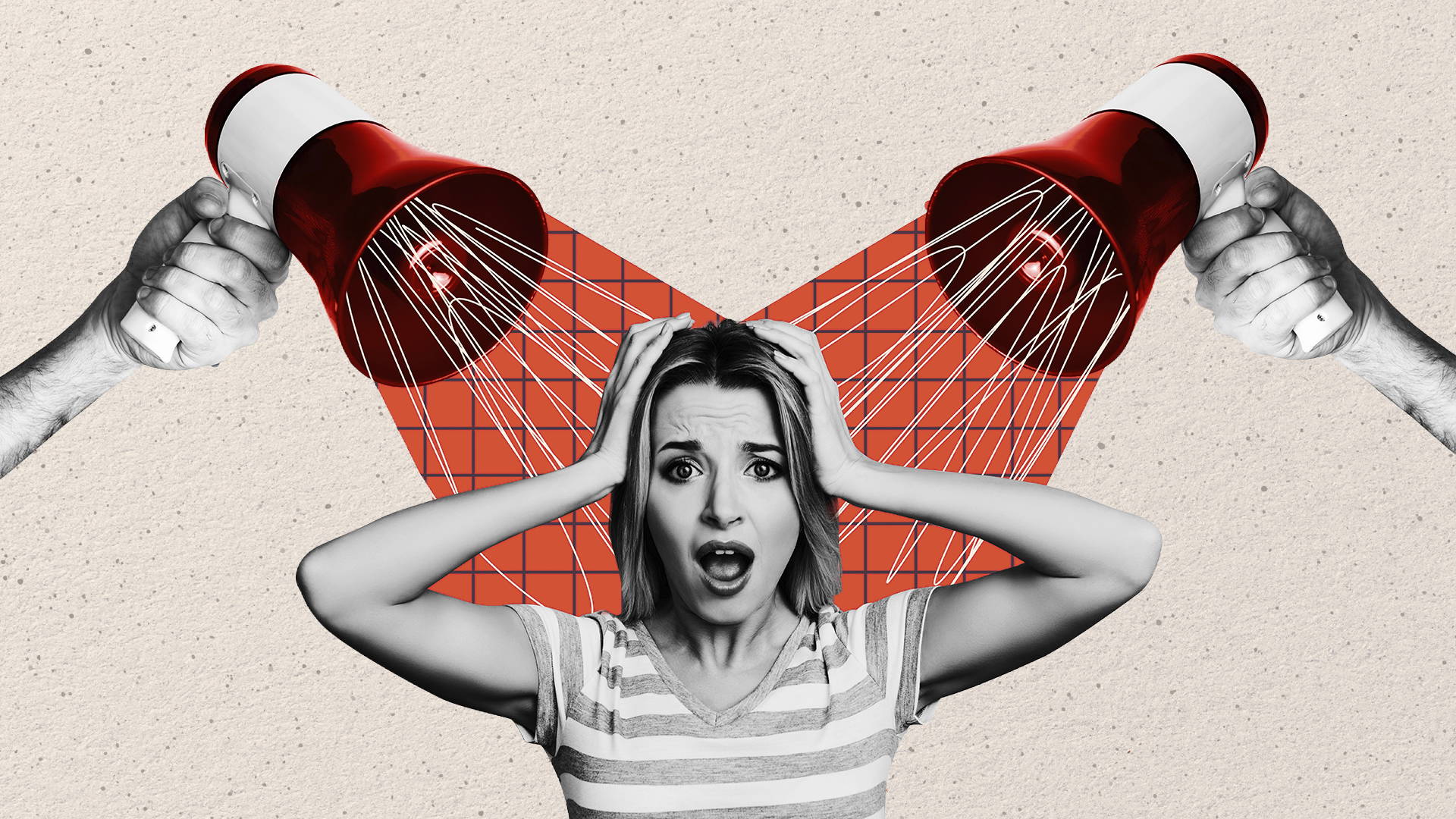
“Expert” advice, influencers, advertising, personal experience, entertainment and sponsored recommendations can all appear within a few swipes. We get social media whiplash every time we decide to scroll. But this can lead to information overload, which has the potential, in turn, to give consumers less time to critically think.
In health and wellness particularly, social media is already an established information source: Pew Research Center found that 40% of US adults get health and wellness information from social media influencers or podcasts.
As part of my own research into social media literacy, I found the Modern Media Literacy Co. It’s a great Substack for anyone who wants to learn more or read specific case studies, such as how media literacy can affect body image or why disagreements feel so dramatic online. I’d especially suggest reading if you’re interested in celebrity culture and how and why we talk about it so much online.
As with anything, reading around the subject is always fantastic. Get out there, consume multiple trustworthy sources, and make up your own mind.
Is Technically True Content Still Misleading Content?
Technically true content where writing and marketing ethics get murky.
Imagine a brand cherry-picks its best customer testimonial. Or says “studies show” when the research is far less conclusive (and often poorly referenced) than the copy suggests. Maybe “can help” is used instead of “will”, while everything surrounding the statement strongly implies a guaranteed result.
Nothing is necessarily a lie in the examples above. Scrollers might not pick up on the nuance.
However, marketers must be honest with themselves. If we know readers are likely to leave with a conclusion the evidence doesn’t support, can we really argue that the content isn’t misleading?
And for those that don’t care about their audience, remember that false claims can come back to bite you.
What Responsibility Do Content Writers Have?
Journalism has established ethical standards around accuracy, verification, context and accountability. There are 400 codes covering journalistic work around the world, all with similar aims.
Content writing and copywriting are different from traditional journalism: we’re often explicitly hired to promote a business, product or point of view.
We don’t need to pretend we’re impartial journalists. But I do think we have some loose responsibilities:
- Check our claims, particularly when misinformation could cause harm.
- Represent sources accurately rather than stretching research to fit our argument.
- Give statistics enough context to mean something.
- Treat anecdotes as anecdotes, not universal evidence.
- Consider the takeaway. What is a reasonable reader likely to believe after reading our content?
Content Writing Ethics Don’t Mean You Can’t Persuade
I want to reiterate, persuasion isn’t the be-all and end-all problem. Marketers and copywriters can write compelling case studies. We can use testimonials. We can explain why a product is worth buying. And yes, we can create content designed to convert!
But perhaps good content should be able to persuade without relying on the reader misunderstanding the evidence. This feels particularly important when we consider how we actually search and consume content. We skim and make quick judgements, meaning we don’t fact-check every claim we encounter.
For me, as a freelance writer, there’s one useful question to ask:
If short on time, what would a reasonable reader believe after reading this? And do I have the evidence to justify that belief?
Or get in touch to work with me.